

Key Takeaways
- Q1 is the moment to fix quoting, inventory, and ERP disconnects that eroded prior-year margins
- Disconnected systems force double entry and hide true costs during budget resets
- Integrating quoting with inventory/ERP creates a single flow before demand ramps
- Incremental integration in January pays back all year in accuracy and speed
- Midwest mid-size manufacturers gain the most from lean, connected workflows vs bloated ERP
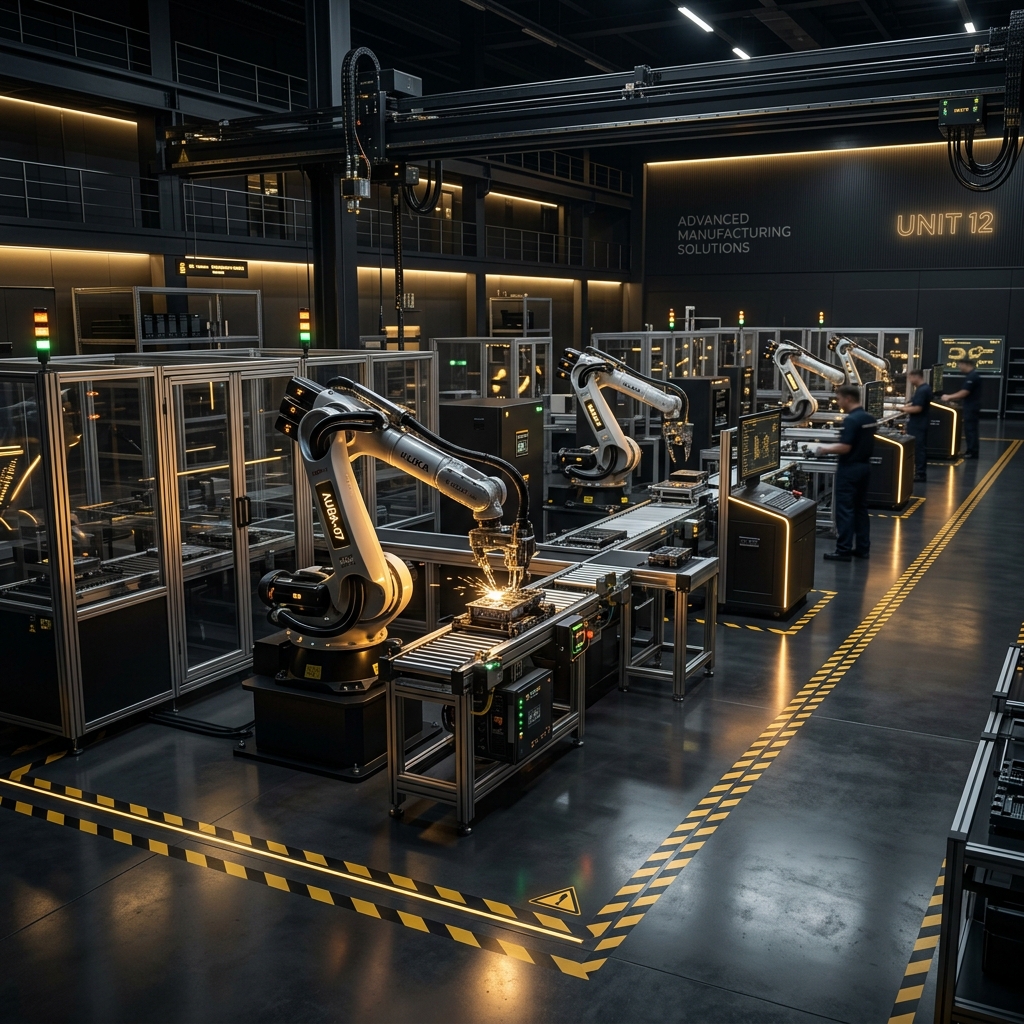
blog-post
As manufacturers head into 2026, those who invest early in manufacturing system integration and production efficiency are better positioned to reduce costs, improve responsiveness, and scale without adding unnecessary overhead.
Why Q1 Is the Best Time to Improve Manufacturing Efficiency
Q1 offers a rare opportunity to make meaningful operational improvements without disrupting peak production cycles. Many Midwest manufacturers use this time to:
- 1Review operational performance from the previous year
- 2Identify bottlenecks in quoting, inventory, and production workflows
- 3Modernize legacy manufacturing systems that no longer scale
- 4Prepare for new customer demand and seasonal production increases
Industry research supports this early focus on operational improvement. According to Deloitte’s Manufacturing Industry Outlook, manufacturers are prioritizing digital technologies, smart manufacturing investments, and improved data visibility to strengthen competitiveness and operational resilience in the years ahead. These trends reinforce the importance of integrating core systems like quoting, inventory, and ERP early in the year to support efficiency, scalability, and informed decision-making. Source Improving efficiency early in the year creates compounding benefits across cost control, delivery timelines, and customer satisfaction.
Five Ways Midwest Manufacturers Can Improve Q1 Production Efficiency
1. Integrate Quoting With Inventory and ERP Systems
Many manufacturers still rely on spreadsheets or disconnected tools for quoting. When quoting systems are not integrated with inventory and ERP platforms, it often leads to:
- 1Inaccurate pricing
- 2Delayed quotes
- 3Over-promised lead times
- 4Margin erosion
By integrating quoting software with inventory and ERP systems, manufacturers gain real-time visibility into material availability, labor capacity, and true costs. This enables faster, more accurate quoting and improved customer confidence.
2. Eliminate Manual Inventory Updates
Manual inventory tracking increases the risk of stockouts, excess inventory, and production delays. Q1 is an ideal time to:
- 1Connect inventory systems to ERP platforms
- 2Automate inventory updates based on production activity
- 3Sync purchasing data with real-time usage
This level of inventory system integration reduces errors, improves planning accuracy, and supports lean manufacturing initiatives.
3. Streamline Workflow Across Departments
Disconnected workflows between sales, operations, and accounting slow production and create internal friction. Manufacturing workflow automation enables:
- 1Automatic handoff from quote to production
- 2Shared, consistent data across departments
- 3Fewer duplicate entries and manual checks
For small manufacturers, integrated workflows improve speed and accountability without increasing headcount.
4. Improve Data Visibility for Better Decision-Making
Manufacturers cannot improve what they cannot see. Integrated manufacturing systems provide:
- 1Unified operational dashboards
- 2Accurate production and inventory reporting
- 3Real-time performance insights
Better data visibility supports smarter decisions around scheduling, purchasing, staffing, and capacity planning.
5. Prepare Your Systems for Growth in 2026
As manufacturers grow, disconnected systems quickly become a barrier. Q1 is the right time to:
- 1Assess ERP scalability
- 2Integrate legacy manufacturing software with modern tools
- 3Build a flexible foundation for automation and future AI initiatives
Early system integration prevents costly rework and operational slowdowns later in the year.
For Midwest manufacturers, efficiency is not about replacing everything. It is about making existing systems work together.
By integrating:
- 1Quoting tools
- 2Inventory management systems
- 3ERP platforms
- 4Production workflows
Manufacturers can improve speed, accuracy, and profitability without major operational disruption.
How Letter B Global Technologies Helps Midwest Manufacturers
Letter B Global Technologies helps small and mid-sized manufacturers modernize operations through custom software development, system integration, and workflow automation.
Our manufacturing-focused approach includes:
- 1ERP, quoting, and inventory system integration
- 2Custom API development and legacy system integration
- 3Workflow automation across sales, operations, and accounting
- 4Documentation-driven, low-risk implementation
- 5Scalable solutions designed for long-term growth
We specialize in supporting Midwest manufacturers who need practical, cost-effective solutions, not off-the-shelf software that forces process changes.
Build a Strong Foundation in Q1
The manufacturers that perform best in 2026 will be those that use Q1 to eliminate inefficiencies, connect systems, and build scalable manufacturing workflows.
If your team is struggling with disconnected quoting, inventory, or ERP tools, now is the time to act. Find out how Letter B has helped other manufacturers develop a strong foundation for success here.
Learn more about how Letter B Global Technologies supports Midwest manufacturers and find out how we can help you:
[/et_pb_text][/et_pb_column] [/et_pb_row] [/et_pb_section]Enjoyed this insight?
Explore how Letter B turns the same challenge into an operational win.
Common questions about manufacturing modernization
Budgets reset, year-end drag is visible, and demand has not yet peaked. Fixing flow in January returns dividends all year through fewer errors, faster quotes, and accurate inventory for planning.
Related insights
View all
What Is Smart Manufacturing? Practical Examples for Small and Mid-Sized Manufacturers
A plain-English guide to smart manufacturing: connected systems, IoT sensors, RFID tracking, predictive maintenance, and where smaller plant...
Read article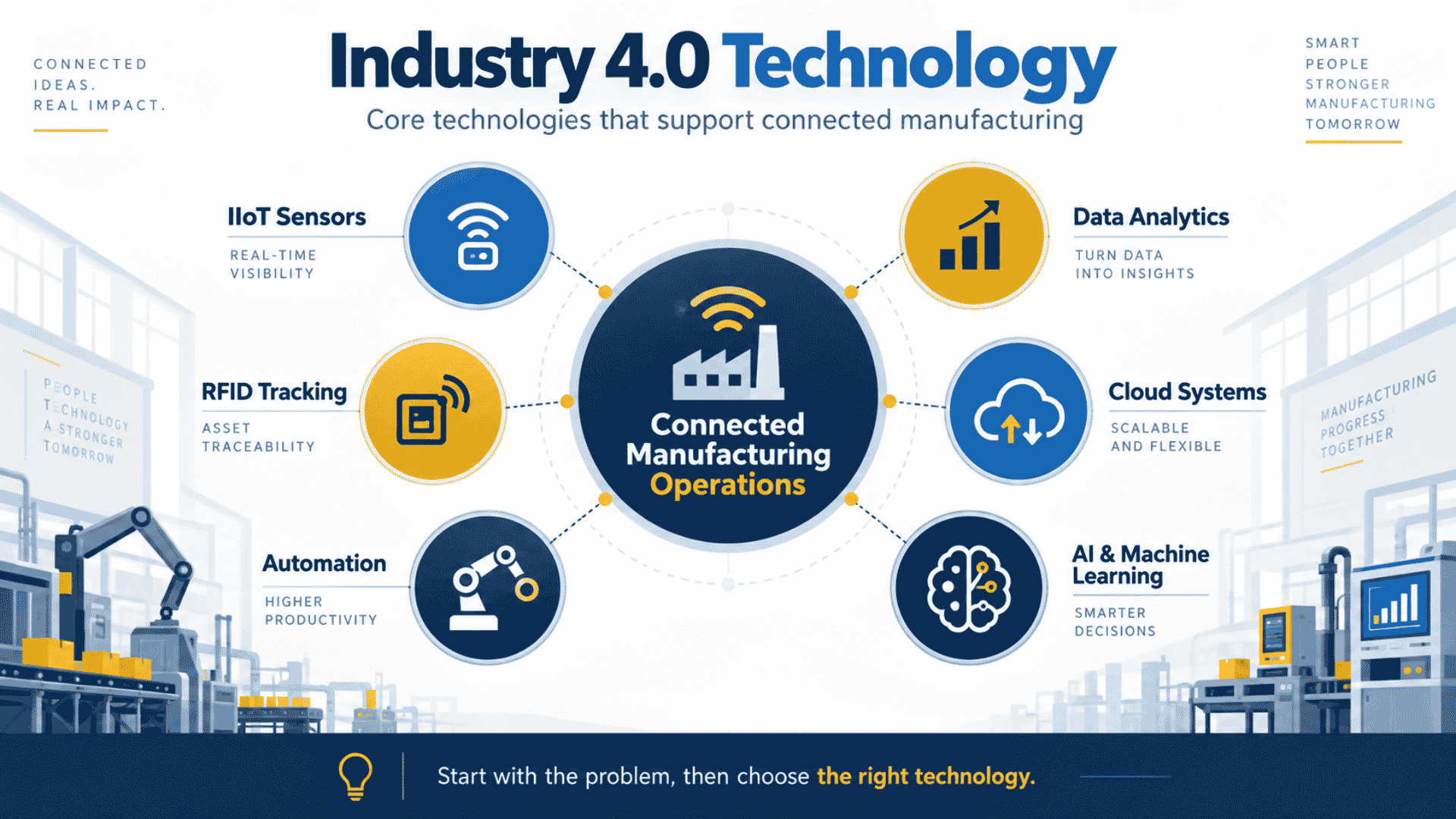
Industry 4.0 Technology: What It Means for Manufacturers in 2026
Industry 4.0 technology connects equipment, software, data, and business systems so manufacturers can improve how work moves through the ope...
Read article
Where Modern Manufacturing Technology Replaces Legacy Systems in Manufacturing in 2026
Modern manufacturing technology does not require replacing everything at once. Many improvements focus on the areas where inefficiencies hav...
Read article